

Best Baby Bottles in South Africa: Glass vs Silicone vs Anti-Colic
Best Baby Bottles in South Africa: Glass vs Silicone vs Anti-Colic

Walk into any baby aisle and you'll find bottles in glass, silicone, and plastic, plus half of them labelled "anti-colic" with their own vent systems. None of these categories are mutually exclusive, plenty of anti-colic bottles are made of glass or silicone, but it helps to understand what each material and feature actually offers before you buy a full set.
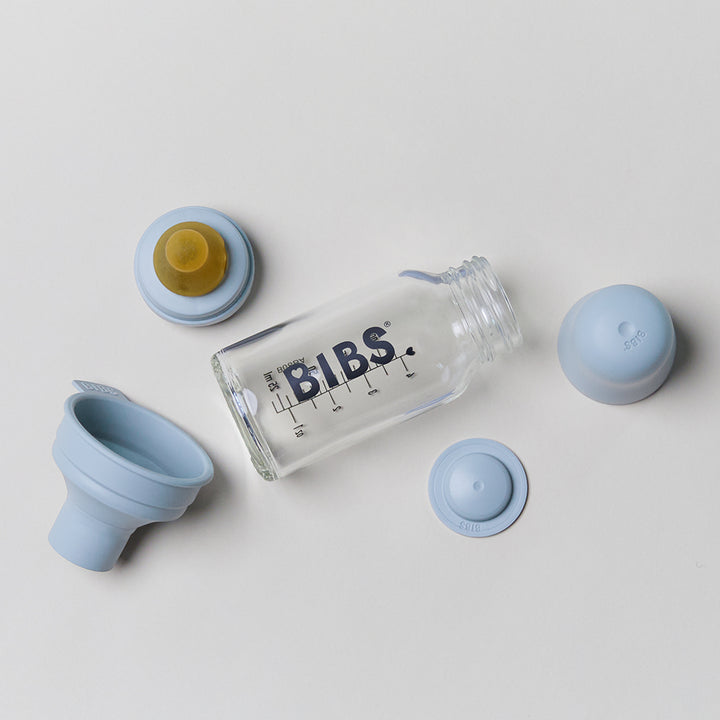
Glass Bottles
Glass doesn't leach anything into milk or formula, doesn't stain or hold onto odours the way plastic can over time, and heats evenly, which some parents prefer for warming expressed milk. The obvious trade-off is weight and breakability, though most glass bottles now come with a silicone sleeve that adds grip and cushions drops. They're a solid choice if you're prioritising material simplicity over convenience, particularly for home use where breakage risk matters less than on the go.
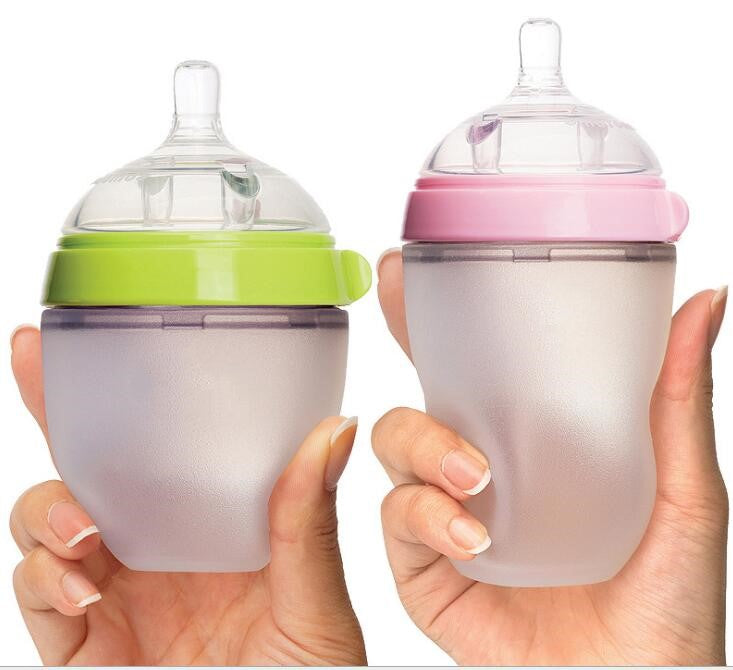
Silicone Bottles
Fully silicone bottles are lightweight, flexible, and genuinely hard to break, which makes them a practical option for on-the-go feeding or for a baby who likes to grip and hold their own bottle. Quality varies more here than with glass, so it's worth choosing a reputable brand, cheaper silicone can retain smells or stain over time in a way better-made options don't. Fill lines can also be harder to read on some designs, worth checking before you buy if precise measuring matters to you.
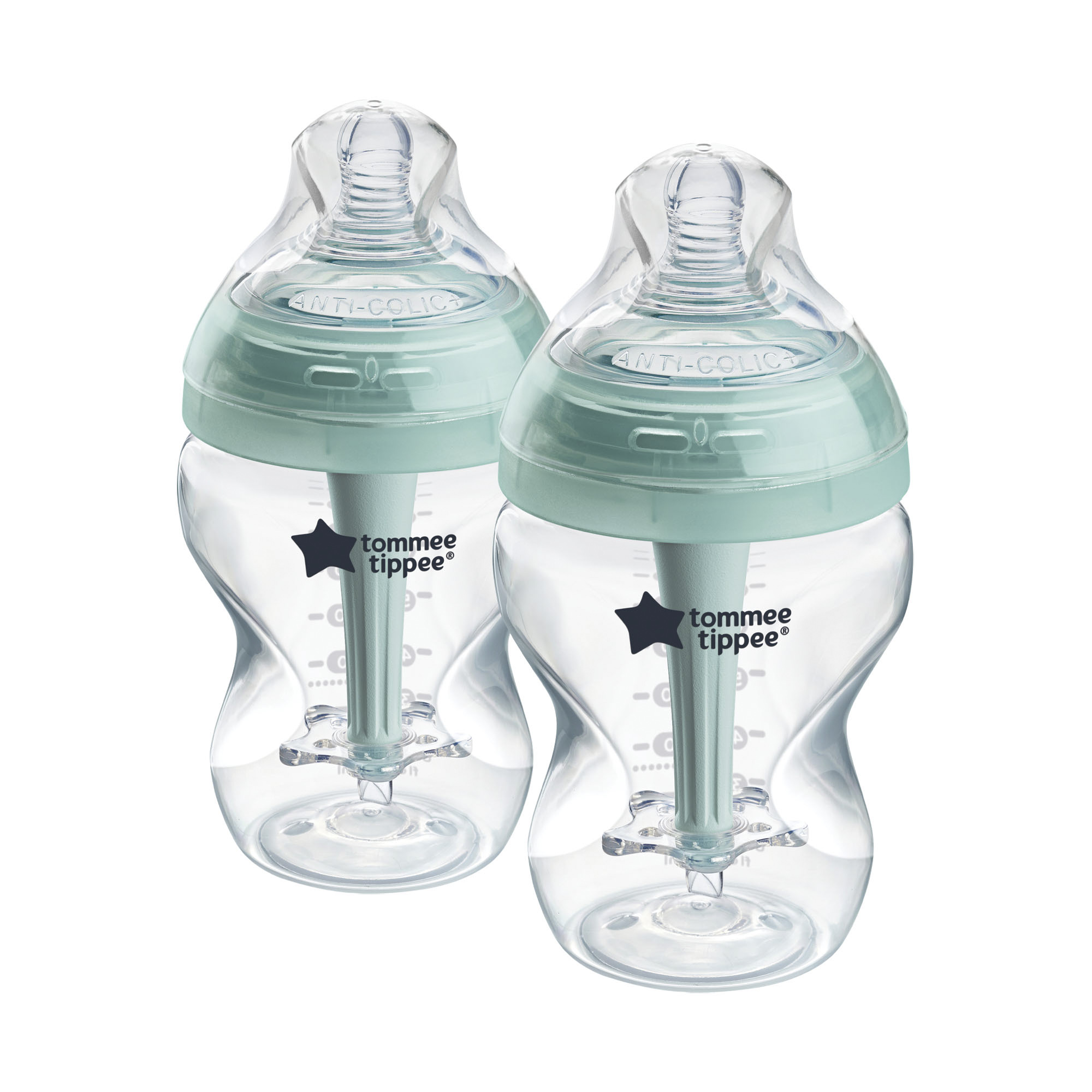
Plastic Anti-Colic Bottles
Modern BPA-free plastic remains the lightest, most affordable, and most widely available option, and it's usually where you'll find the most developed anti-colic venting systems. These bottles use internal vents or valves designed to reduce the air your baby swallows while feeding, which can help with gas and fussiness for some babies, though it's not a guaranteed fix for colic itself. The trade-off is more parts to clean with some vented designs, and plastic does need replacing periodically as it scratches and ages with use.
What "Anti-Colic" Actually Means
Colic itself has several possible causes, and a bottle alone won't resolve all of them. What anti-colic venting genuinely does is reduce the amount of air a baby swallows during feeding, which can ease gas, spit-up, and general fussiness after a feed for some babies. If your baby struggles with wind or reflux, it's worth trying, but treat it as one tool among several rather than a guaranteed solution.
How to Choose
A few honest questions make this easier than comparing every feature on the box:
- Do you feed mostly at home or on the go? Glass suits a settled home routine, silicone or well-made plastic suits life out of the house.
- Does your baby struggle with gas or reflux? An anti-colic vent system is worth trying, regardless of the base material.
- How much cleaning effort can you realistically manage? Simpler bottles with fewer parts are easier to keep up with than heavily vented systems, particularly once you're deep into newborn sleep deprivation.
- Does your baby prefer to hold their own bottle? Lighter silicone or plastic options are easier for smaller hands to manage than glass.
A Few General Safety Notes
Whichever type you choose, look for BPA-free materials as standard, most brands now are, but it's worth confirming. Replace teats regularly, since they wear and can develop tiny tears that aren't always visible. Inspect bottles periodically for scratches, cloudiness, or cracks, particularly plastic ones, and replace anything that's showing wear rather than waiting for it to fail.
Frequently Asked Questions
Are glass bottles safe for young babies?
Yes, glass is one of the more inert materials available for feeding. The main consideration is breakage risk, most come with a protective silicone sleeve to manage this.
Can I mix and match teats and bottles from different brands?
Generally no, teat sizes and shapes are usually brand-specific, so it's worth sticking to one system rather than mixing pieces across brands.
How many bottles do I actually need?
Four to six is typical for most households, enough to get through a day without needing to wash and sterilise between every single feed.
Does anti-colic really help with colic?
It can help reduce swallowed air, which eases gas and spit-up for some babies, but it isn't a guaranteed fix, since colic can have several underlying causes.