Keeping Breast Milk Safe on the Go: A South African Car Travel Guide

Whether you’re doing the school run, visiting family in another province or heading off on a well-deserved weekend getaway, travelling with expressed breast milk doesn’t have to be stressful.
For breastfeeding mums, a little preparation can make all the difference. From choosing the right breast pump and storage containers to keeping milk safely chilled during a long drive, having the right essentials packed means one less thing to worry about.
At Motherhood, we believe that supporting mums means making everyday motherhood a little easier. Here’s our practical guide to expressing, storing, transporting and feeding breast milk while travelling by car in South Africa.
1. Start with the right breast pump and storage essentials
If you’re planning a road trip, visiting family or simply spending a few hours away from home, having a convenient way to express milk can give you greater flexibility.
The right breast pump depends on your routine, how frequently you express and what feels comfortable for you.
Consider packing:
- Your breast pump and all the necessary parts.
- Clean breast milk storage bags or food-safe containers with secure lids.
- Spare pump parts, where practical.
- A clean pouch to keep your pumping accessories together.
- Hand sanitiser for situations where soap and clean running water aren’t available.
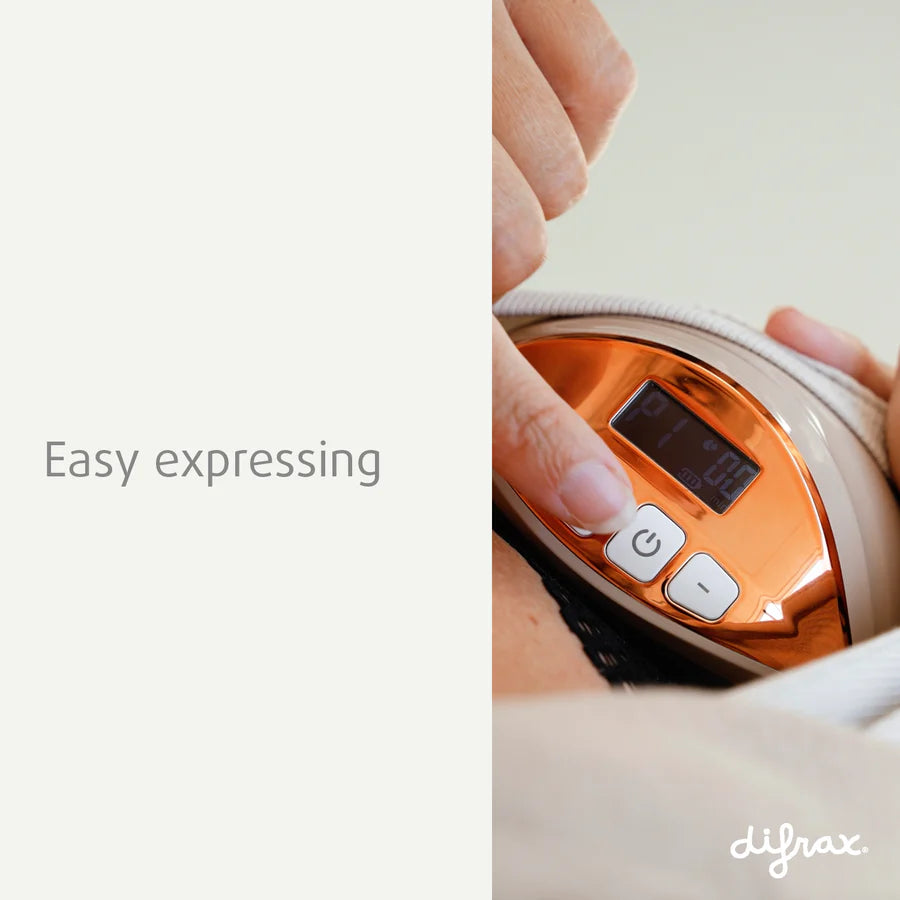
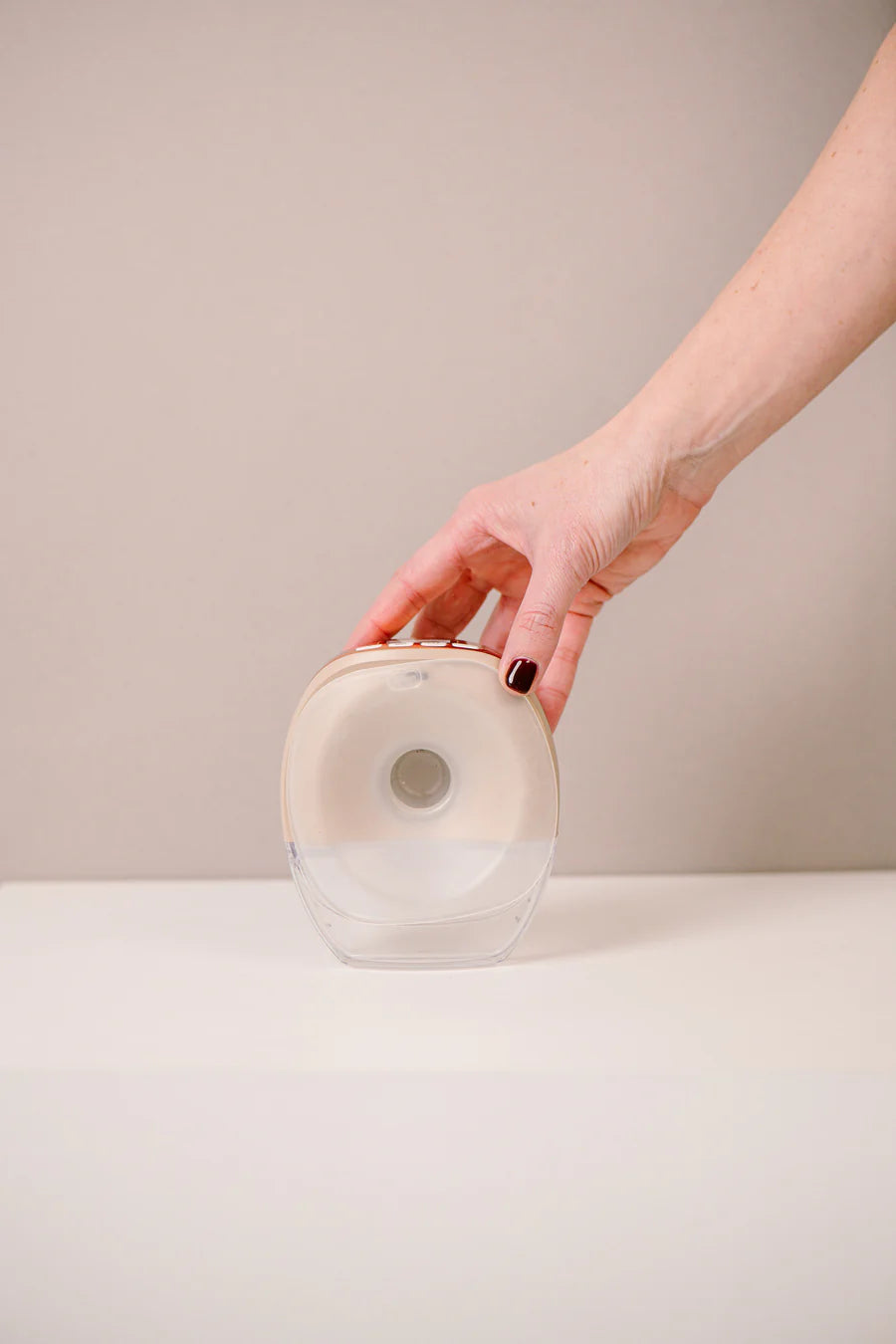
If you prefer expressing while out and about, a portable or hands-free pump can be particularly convenient.
At Motherhood, explore the Difrax Hands-Free Breast Pump for a more flexible expressing routine. Depending on your needs, you can also look at the Pigeon electric and manual breast pumps available in our breastfeeding range.
Remember that portable doesn’t mean you should express while driving. Always pull over safely before pumping or handling equipment.
Storage bags or bottles: which should you choose?
Breast milk storage bags are lightweight, space-saving and convenient for storing individual portions. Clean, food-grade containers with tightly fitting lids are another option.
Whichever you choose, make sure the container is designed for breast milk storage and is suitable for refrigeration or freezing as required.
Our tip: Freeze milk in portions that match your baby’s usual feeds. Smaller portions can help minimise waste when you’re away from home.
You can also explore the Maccie Cube & Cruz Snackle Box with Freezer Tray as a versatile option for preparing and storing small portions of breast milk or baby food. Always check that the product is suitable for your intended use and follow its care instructions.

2. Keep breast milk cold with a properly packed cooler
South African summers can be unforgiving, and a parked car can become dangerously hot in a surprisingly short time. When travelling with expressed breast milk, keeping it at a safe temperature is essential.
For transporting breast milk, use an insulated cooler bag with fully frozen ice packs. Pack the milk directly alongside the ice packs, minimise the number of times you open the bag and keep it out of direct sunlight.
Freshly expressed breast milk can be transported in an insulated cooler with frozen ice packs for up to 24 hours, provided it remains properly chilled throughout the journey. This is a maximum guideline, not a guarantee that every cooler will maintain a safe temperature for that long.
What should you look for in a travel cooler?
- Insulation that helps maintain a consistently cold interior.
- Enough space for your milk containers and frozen ice packs.
- A secure closure to minimise exposure to warm air.
- A practical size that fits comfortably in your vehicle.
- Easy-to-clean materials in case of spills.
Keep your cooler secured in the passenger cabin, away from direct sunlight and hot surfaces. Avoid leaving it in a hot boot or parked car for extended periods.
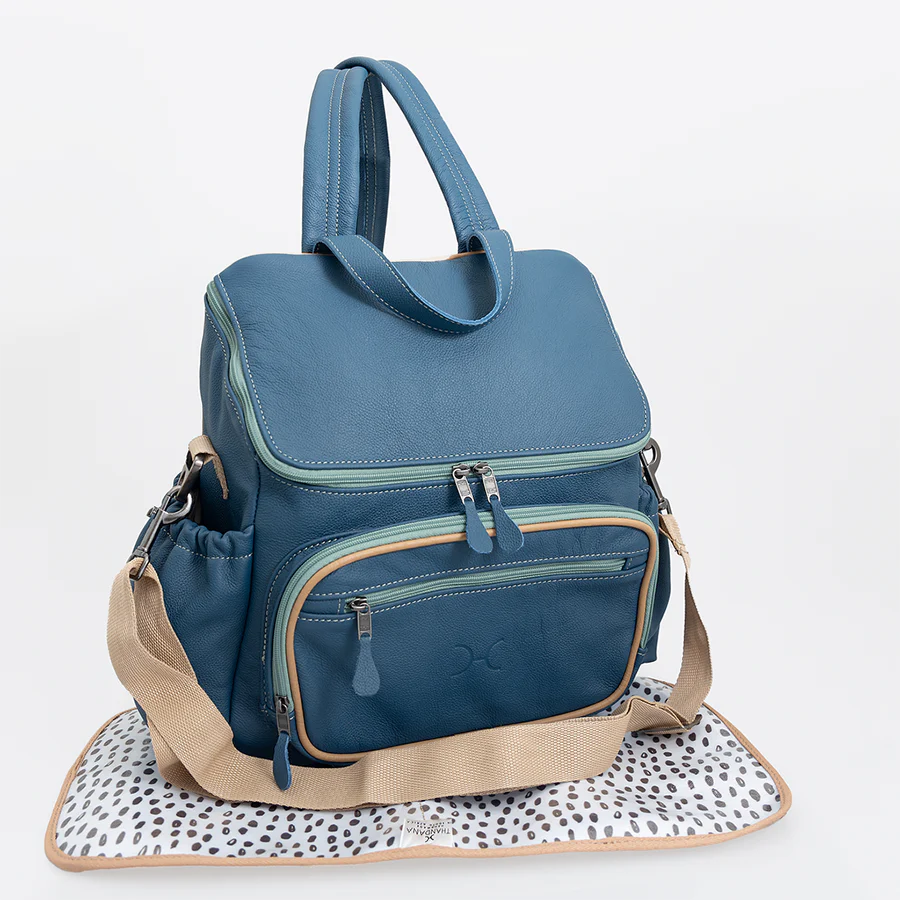
If you’re shopping for travel essentials, Motherhood’s Thandana Bags collection includes beautifully designed bags and organisers for keeping your family’s everyday essentials together.
Thandana’s changing bags, including the Thandana Baby Changing Backpack, are useful for organising nappies, wipes, feeding accessories and other baby essentials. Just remember that a regular nappy bag is not a substitute for an insulated cooler designed to keep breast milk cold.
3. Label your milk before you leave
When you’re juggling a baby, a nappy bag and a long drive, it’s easy to lose track of which milk was expressed first.
Labelling your milk makes it easier to manage your supply and use the oldest milk first.
Write the date and time of expression on each storage bag or container. If you’re packing milk for a caregiver, include your baby’s name as well.
A simple labelling format is:
- Expressed: Date and time
- Frozen: Date frozen, if applicable
- For: Baby’s name, if needed for childcare
Always use the oldest suitable milk first and follow the appropriate storage guidelines for fresh, refrigerated, frozen and thawed milk.
One important reminder: breast milk can vary in smell and appearance, and a smell test alone cannot establish whether it is safe. If milk has not been kept within the recommended temperature and storage limits, don’t rely on how it looks or smells to decide whether to feed it.
4. Plan for feeding stops and warming milk
Not every baby needs warmed breast milk. If your little one is happy drinking it cold or at room temperature, there’s no need to warm it simply because you’re travelling.
If your baby prefers warm milk, plan to warm it safely when you stop.
A few practical options include:
- Warm water: Place the sealed bottle or storage container in a bowl of warm water until the milk reaches a comfortable temperature.
- A suitable portable bottle warmer: If you use an electric or car-powered warmer, follow the manufacturer’s instructions and check the milk temperature before feeding.
- A feeding bottle packed separately: Keep the bottle and any feeding accessories clean and readily accessible so you’re not searching through your bags at a rest stop.
Never heat breast milk in a microwave or directly on a stove. Microwaves can create hot spots that may burn your baby’s mouth.
Once milk has been warmed or brought to room temperature, use it within two hours. If your baby has started a feed, use any remaining milk within two hours after the feed finishes, then discard it.
Make feeding on the go easier
Having a suitable feeding bottle packed and ready can make stops less stressful.
Explore the BIBS baby bottle range for bottle-feeding and combination-feeding essentials. You can also browse the Difrax LOVI Mammafeel bottles for another option designed with breastfeeding and bottle-feeding families in mind.
Choose a bottle that suits your baby’s age, feeding needs and your healthcare professional’s advice where appropriate.
5. Don’t forget the mum behind the milk
Travelling with expressed breast milk isn’t only about storage. It’s also about making sure you have what you need to feel comfortable and supported along the way.
If you’re breastfeeding or expressing regularly, consider packing:
- Your breast pump and charging cable or batteries.
- Clean pump parts and a plan for washing them between uses.
- Nursing pads and a spare top.
- Water and snacks for yourself.
- A comfortable nursing cover, if you prefer one.
- Nipple balm and other personal breastfeeding essentials.
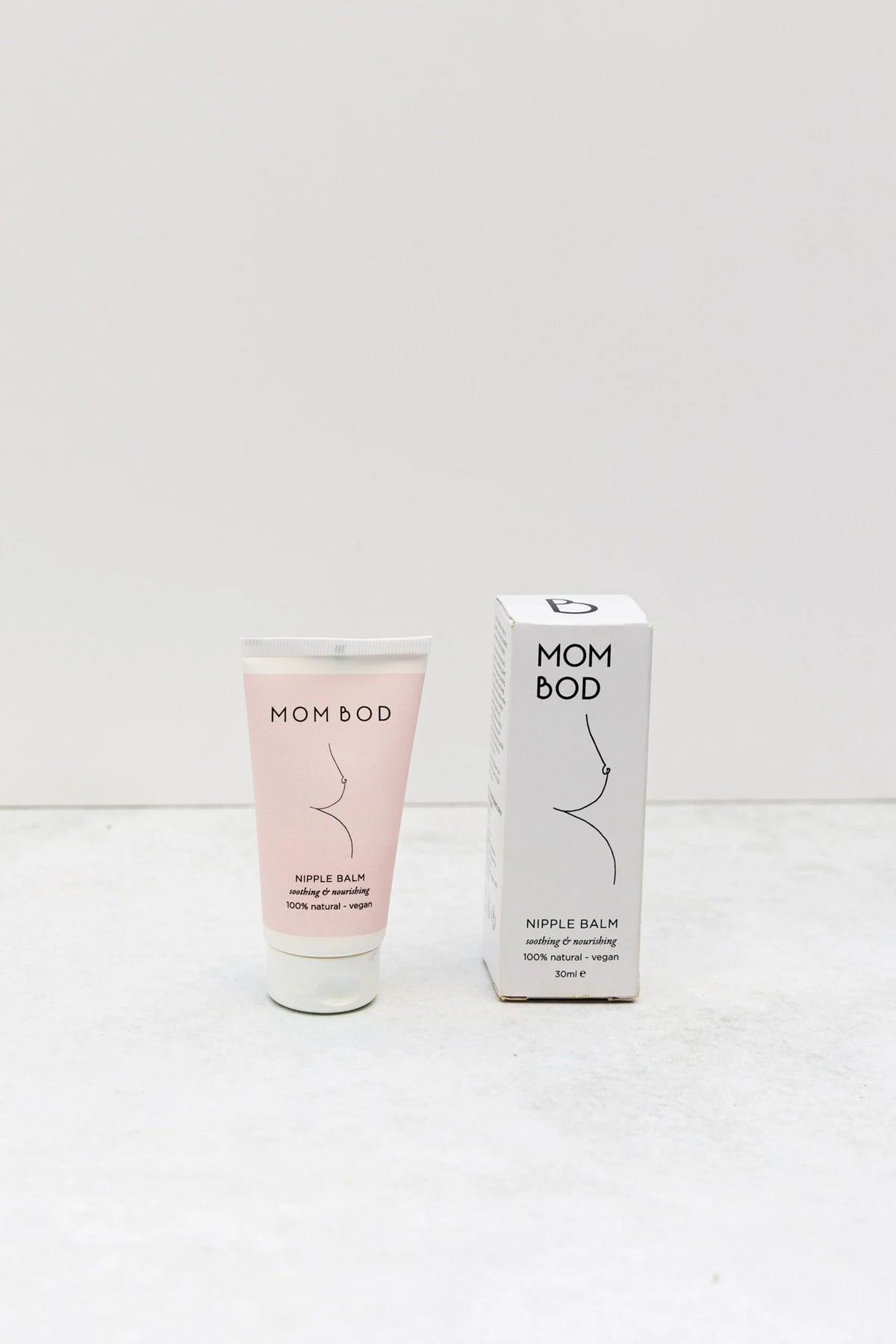
The Mom Bod Nipple Balm is one option to add to your breastfeeding kit, particularly if nipple care is already part of your routine.
For mums who prefer to keep everything organised, Thandana’s Baby Changing Wallet and travel organisers can help keep smaller essentials easy to find.
And remember: if you need to express during a long journey, plan safe stops where you can sit comfortably, clean your hands and handle your pump parts hygienically.
6. Your breast milk road-trip timeline
A little routine before, during and after the drive can help keep your milk safe.
Before departure
- Check that all containers are clean, sealed and labelled.
- Freeze your ice packs completely.
- Pack milk in an insulated cooler, with the frozen ice packs positioned around it.
- Make sure your pump and feeding essentials are ready.
During the journey
- Keep the cooler closed as much as possible.
- Keep it away from direct sunlight and heat.
- Plan feeding and expressing stops in advance.
- Clean pump parts between uses according to the manufacturer’s instructions.
When you arrive
- Transfer chilled milk to a refrigerator as soon as possible, or freeze it if appropriate.
- Check frozen milk for ice crystals before deciding whether it can be refrozen.
- If previously frozen milk has thawed completely, keep it refrigerated and use it within 24 hours of complete thawing.
- If you’re unsure whether milk stayed sufficiently cold, seek advice from a qualified healthcare professional rather than taking a risk.
7. Breast milk storage guidelines to remember
For healthy, full-term babies, the CDC provides the following general guidelines for freshly expressed breast milk:
|
Storage method |
General guideline |
|
Room temperature (25°C or cooler) |
Up to 4 hours |
|
Refrigerator (4°C) |
Up to 4 days |
|
Freezer (-18°C or colder) |
Within 6 months is best; up to 12 months is acceptable |
|
Insulated cooler with frozen ice packs |
Up to 24 hours, provided milk stays properly chilled |
|
Previously frozen milk, thawed in the refrigerator |
Use within 24 hours of completely thawing |
|
Milk warmed or brought to room temperature |
Use within 2 hours |
These are general guidelines, not a substitute for individual medical advice. They apply to healthy, full-term infants; babies born prematurely or with medical conditions may need different recommendations.
Never refreeze milk that has completely thawed. If milk still contains ice crystals, it can generally be refrozen. Follow your healthcare professional’s advice if you are unsure about your specific circumstances.
For further guidance, consult your paediatrician, midwife or lactation consultant, and refer to the CDC’s breast milk storage and preparation guidance.
Your Motherhood breast milk travel checklist
Before heading out, make sure you have:
☐ Breast pump and clean accessories
☐ Clean, sealed and labelled milk storage bags or containers
☐ Insulated cooler with fully frozen ice packs
☐ A secure place for the cooler in the car
☐ Feeding bottles and any required accessories
☐ A safe way to warm milk, if needed
☐ Water, snacks and personal breastfeeding essentials
☐ A plan for feeding stops and expressing breaks
☐ A refrigerator or freezer available at your destination, where needed
Making motherhood on the move a little easier
Travelling with a baby takes extra planning, but it doesn’t have to mean leaving your breastfeeding routine behind. With the right preparation, a reliable cooling setup and a well-organised nappy bag, you can spend less time worrying about the logistics and more time enjoying the journey.
At Motherhood, we thoughtfully curate essentials for mums, babies and little ones — from breast pumps and feeding accessories to practical travel bags that help make everyday outings easier.
Explore our collections:
Because motherhood is a journey of its own, and you deserve a little support along the way.