

How to Get Your Baby to Take a Pacifier (and When to Stop)
How to Get Your Baby to Take a Pacifier (and When to Stop)

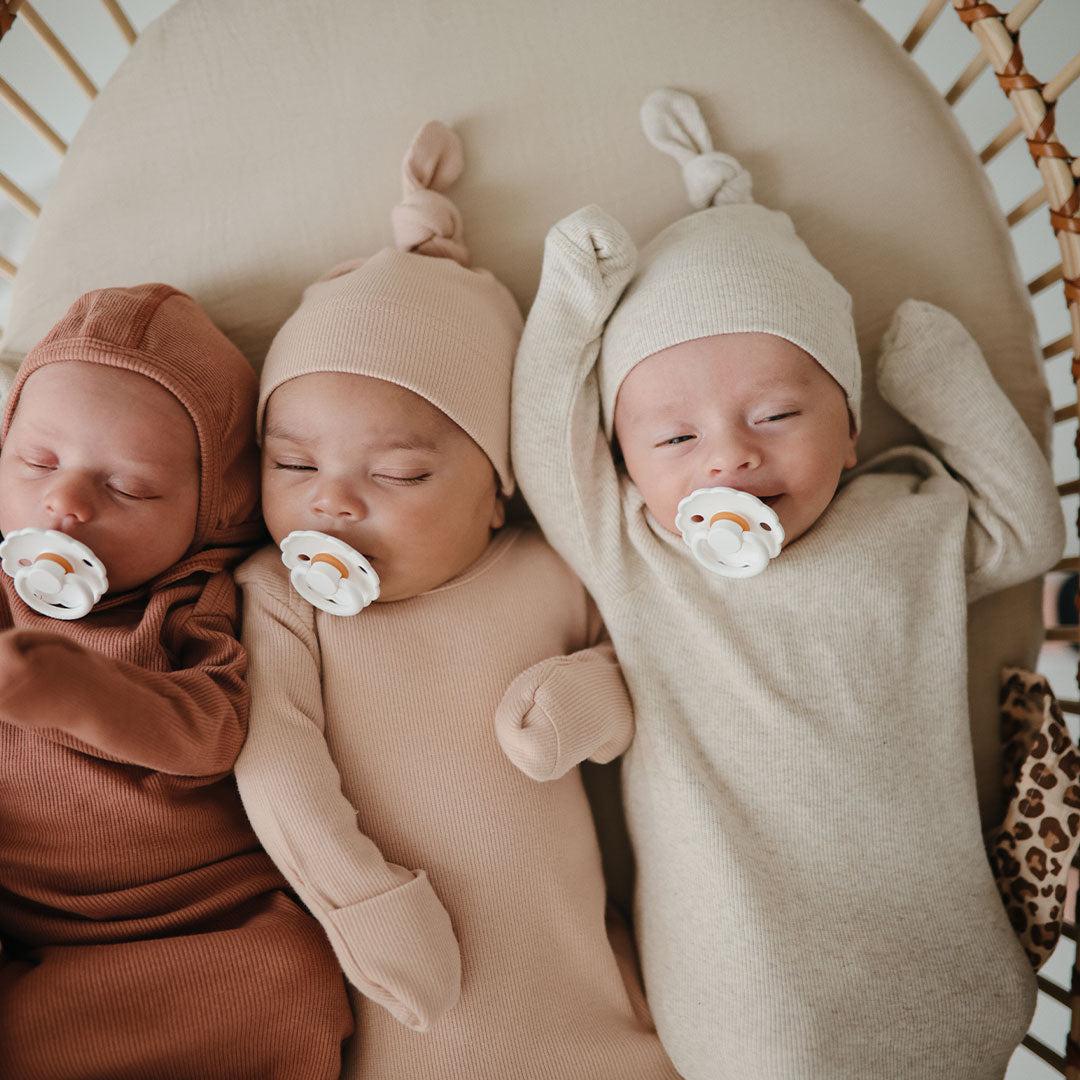
Some babies take to a pacifier immediately. Others treat it like a personal insult and spit it straight back out, sometimes for weeks. Both are completely normal, and there's usually a way through it if a pacifier is something you'd genuinely like to work.
Getting Started, and Timing It Right
If you're breastfeeding, most lactation guidance suggests waiting until feeding is well established, commonly around three to four weeks, before introducing a pacifier, to reduce the chance of nipple confusion early on. If you're formula feeding, there's usually more flexibility on timing. Either way, it's worth a quick chat with your baby's healthcare provider if you're unsure what's right for your situation specifically.
Tips for Getting Baby to Actually Take It
- Time it around comfort, not hunger. Offer the pacifier when baby is calm and seeking comfort, after a feed or at the start of settling for a nap, rather than when they're overtired or actively hungry.
- Try different shapes. Round and orthodontic shapes feel different in a baby's mouth, and some babies have a clear preference once you find the right one.
- Trigger the rooting reflex first. A gentle stroke on the cheek or lower lip often prompts a baby to turn and latch onto whatever's offered, pacifier included.
- Be patient with repeat tries. Many babies need several attempts across a few days before accepting a pacifier, rather than taking to it the first time. If it's not landing, take a short break and try again later rather than pushing through frustration on either side.

When to Start Thinking About Stopping
There's no single correct age, but most paediatric guidance points toward weaning off a pacifier somewhere between two and four years old, largely to avoid the dental and palate effects that can come with prolonged, intensive use as permanent teeth start developing. Plenty of toddlers use one well into the second year without any lasting issue, it's really sustained use into the preschool years that's worth watching, and your dentist or paediatrician is the right person to ask if you have specific concerns.
How to Actually Wean Off It
Gradual reduction tends to work better than an abrupt stop for most toddlers. Limiting the pacifier to naptime and bedtime only is a common first step, keeping it out of daytime play and outings while it's still available for sleep. Some parents find a small ritual helps at this age, a "pacifier fairy" trade-in for a toy, paired with genuine praise for the milestone. It's also worth avoiding a weaning push during other big transitions, a new sibling, starting daycare, potty training, since piling changes on top of each other tends to make all of them harder.
Frequently Asked Questions
What age should I introduce a pacifier?
If breastfeeding, most guidance suggests waiting until feeding is well established, often around three to four weeks. If formula feeding, there's generally more flexibility.
Will a pacifier interfere with breastfeeding?
The main concern is nipple confusion if introduced too early, before breastfeeding is established. Waiting a few weeks in reduces this risk for most babies.
What age should I stop the pacifier?
Most guidance points to weaning somewhere between two and four years old, largely to avoid dental effects from prolonged use as permanent teeth develop.
What if my toddler refuses to give it up?
Gradual reduction, limiting use to naptime and bedtime first, tends to work better than a sudden removal for most toddlers. A small trade-in ritual with genuine praise often helps too.
