

A Parent's Guide to Choosing a Pram or Stroller in South Africa
A Parent's Guide to Choosing a Pram or Stroller in South Africa

A pram is one of the bigger purchases on any newborn list, and one of the hardest to get right from research alone, features that read well online don't always hold up on an actual Highveld pavement or a sandy parking lot. Here's what actually matters when choosing one.
The Main Types
Travel systems pair a stroller frame with a compatible infant car seat that clicks straight in, letting you move a sleeping baby from car to stroller without waking them. These suit the newborn stage particularly well, since very young babies need to lie flat or be properly supported rather than sit upright.
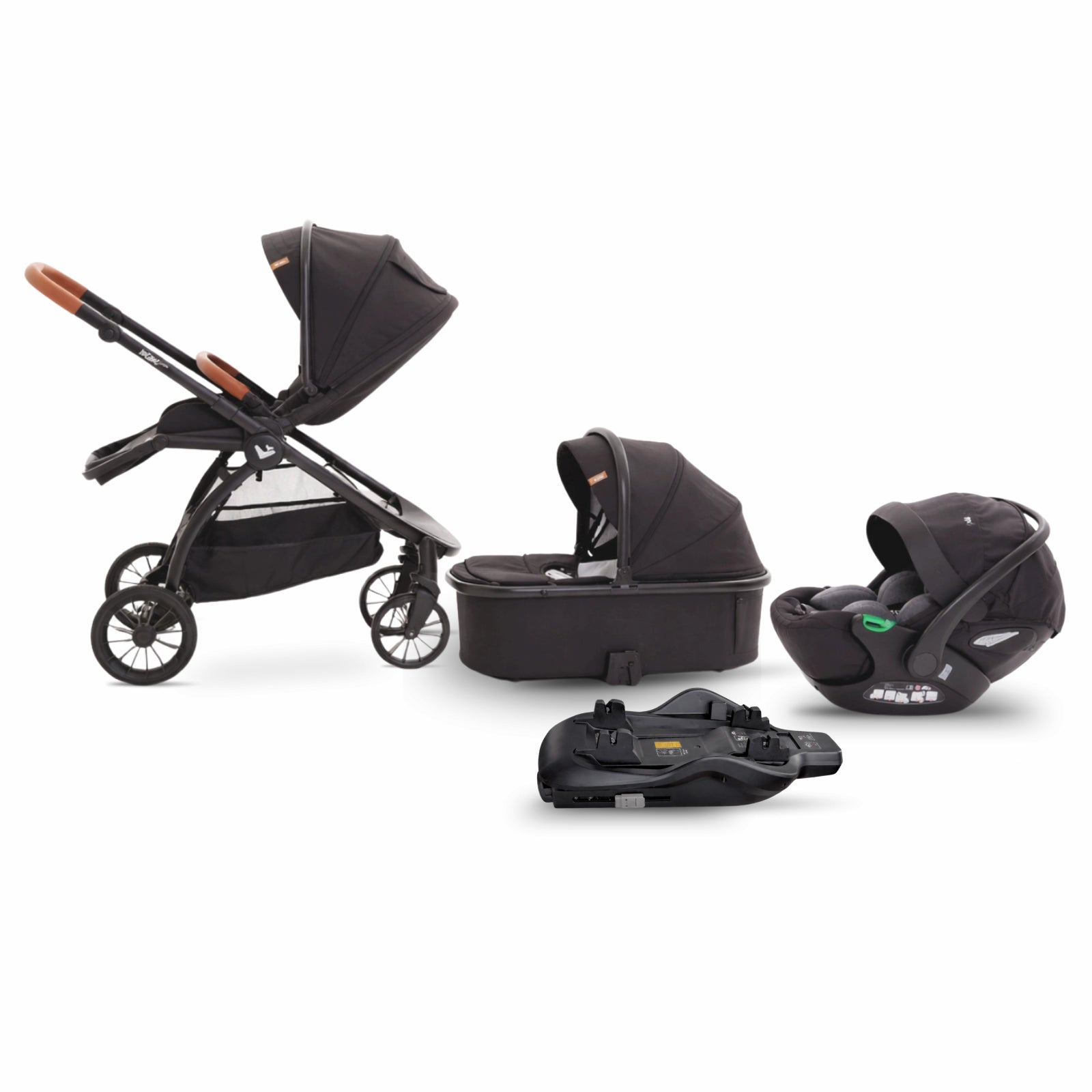
All-terrain or three-wheel strollers have larger wheels and better suspension, built for uneven ground, gravel, and softer surfaces like sand or grass. If pavements where you live are patchy, cracked, or non-existent, this category earns its keep fast.

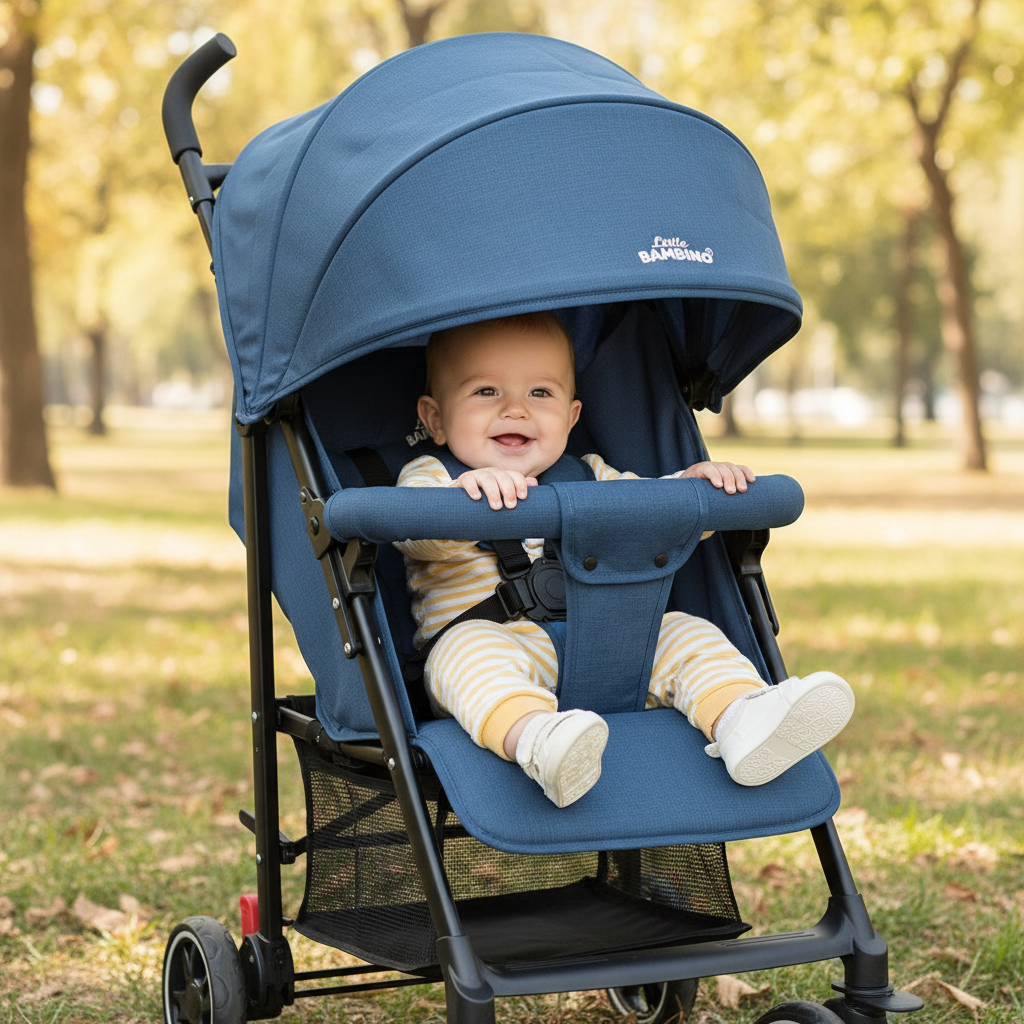
Lightweight or umbrella strollers fold small, weigh little, and suit toddlers who can sit upright well. They're a strong second stroller for travel, quick errands, or once the bulkier newborn setup is no longer needed.
Convertible or modular systems shift from a lie-flat bassinet mode through to a toddler seat, sometimes lasting from birth through to age three or four. They cost more upfront but can replace two or three separate strollers over time.
:max_bytes(150000):strip_icc()/prt-mockingbird-3-0-stroller-devon-obrien-09-81b7646d8af6478b94b2fb95e64556a5.jpeg)
What Actually Matters for South African Conditions
A few features matter more here than the marketing copy tends to suggest:
- Wheel size and suspension. Small, hard wheels struggle on gravel driveways, cracked pavements, or sandy beach parking, all common enough in South Africa to take seriously.
- Fold size and weight. If you're loading and unloading from a smaller hatchback or SUV boot regularly, a bulky fold gets old fast. Try folding any pram yourself before buying, one-handed if you can manage it.
- Sun canopy coverage. South African sun is intense for most of the year, so a canopy with genuine UV protection and decent coverage matters more here than it might in a milder climate.
- Build quality for dust and heat. Wheels, fabric, and moving parts that hold up to dust and sun exposure will outlast cheaper components that weren't built with this climate in mind.
Budget: What You're Actually Paying For
Entry-level prams generally cover the basics well, a functional fold, decent wheels, adequate sun protection, and there's nothing wrong with starting here if budget is a real constraint. Mid-range options usually add better suspension, a smoother fold mechanism, and sturdier fabric that lasts longer under daily use. Premium travel systems and convertible models add the longest usable lifespan and the most refined ride, worth it if you want one system to last from birth through toddlerhood rather than replacing as your child grows.
Frequently Asked Questions
What age can my baby go in an upright stroller seat?
Most babies need proper neck and head control before sitting upright for extended periods, usually from around four to six months. Before that, a lie-flat bassinet mode or a compatible infant car seat is the safer option.
Do I need an all-terrain stroller if I mostly stay in the city?
Not necessarily, a standard stroller with reasonable wheels handles smooth pavements fine. It's worth it specifically if your daily routes include gravel, sand, or genuinely uneven ground.
How long will one pram actually last me?
It depends on the type. A basic stroller might suit one stage only, while a convertible system can realistically last from birth to age three or four if it's well built.
Is buying a second-hand pram a bad idea?
Not automatically, a structurally sound second-hand pram can be a good option. Check for wear on the frame and wheels, confirm it hasn't been recalled, and consider replacing fabric parts if they're looking tired.