Eco-Friendly Baby Products: A Guide for Conscious South African Parents
Eco-Friendly Baby Products: A Guide for Conscious South African Parents

Babies come with a genuinely enormous amount of stuff, and a fair bit of it is used for a matter of months before being outgrown or thrown away. If you're trying to make more sustainable choices without turning every purchase into a research project, here's where it actually makes a difference, and where it's fine to relax a little.
What "Eco-Friendly" Actually Means Here
It's a broad label, and worth breaking down rather than taking at face value. In practice it tends to cover a few different things: materials that are biodegradable or made from renewable resources, products built to last and be passed on rather than replaced, reduced packaging and plastic waste, and manufacturing that's less resource-intensive than the conventional alternative. A product rarely ticks every box at once, so it's worth knowing which of these matters most to you.
Where It Makes the Biggest Difference
A few categories are worth prioritising if sustainability is a genuine goal rather than a nice-to-have:
Nappies. Cloth nappies have the single biggest long-term impact here, since a disposable nappy can take centuries to break down and a baby goes through thousands before potty training. Cloth isn't the right fit for every household's routine or water access, but it's worth genuinely weighing rather than dismissing outright. If cloth isn't practical, some disposable brands now offer more biodegradable options, worth a look if this is your main sustainability lever.
Clothing. Natural fibres like organic cotton and bamboo are gentler on the environment to produce than synthetic blends, and babygrows in particular get so little wear before being outgrown that buying quality, passing pieces on, or shopping second-hand makes a real dent here.
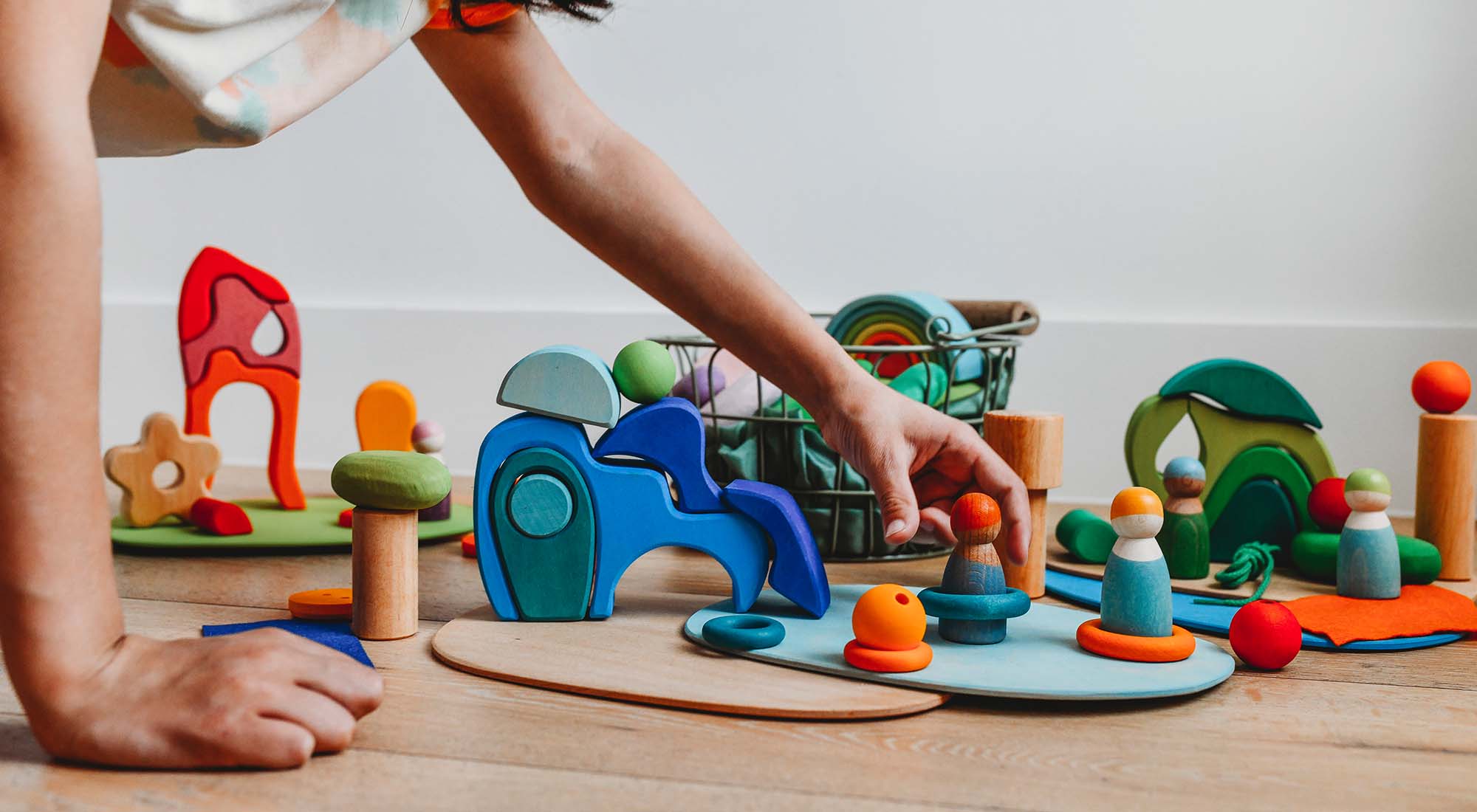
Toys. Wooden and natural-fibre toys generally outlast plastic ones, both in durability and in how they age, which matters for the pass-down-or-resell cycle that keeps items out of landfill for longer.
Feeding gear. Reusable options over disposable ones wherever practical, and materials like glass, silicone, or stainless steel over single-use plastic.

Where It's Fine to Relax a Little
Not every category carries the same weight, and there's no need to overhaul everything at once. Bigger, durable items like a cot or a pram are already a one-time purchase for most families regardless of material, so the sustainability question there is more about longevity and resale than about the specific material used. Items you'll only use briefly are also reasonable to buy secondhand rather than agonising over new eco-certified versions.
Buy Less, Choose Well
The single most effective sustainability move for a newborn stage is simply not buying everything brand new or all at once. Borrowing, renting, or buying secondhand for short-use items, and choosing fewer, better-made pieces over a large volume of cheaper ones, tends to have more real-world impact than any single "eco" label. It's also usually the more budget-friendly approach, which makes it easier to actually stick with.
A Few Things Worth Checking on Packaging
Labels can be vague, so a few specifics are worth looking for rather than taking "eco-friendly" at face value: FSC certification for wood products, GOTS certification for organic cotton, and BPA-free as standard on anything that touches food or a baby's mouth. None of these are a guarantee of a product's full environmental footprint, but they're a more concrete signal than marketing language alone.
Frequently Asked Questions
Is cloth nappying actually more sustainable once you factor in washing?
Generally yes, even accounting for water and electricity use in washing, cloth nappies typically have a smaller overall environmental footprint than disposables over their full lifecycle, though the gap narrows if washed inefficiently or in small loads.
What's the easiest first swap for a family wanting to start small?
Clothing and toys tend to be the easiest starting point, since buying secondhand or better-made, longer-lasting pieces requires no change in routine, unlike a full switch to cloth nappies.
Are eco-friendly baby products more expensive?
Not always. Buying secondhand or fewer, better-made items can actually work out cheaper over time, even though some individual eco-certified products carry a higher upfront price.
Do I need to change everything at once to make a difference?
No, and trying to do so usually isn't sustainable itself. Prioritising the highest-impact categories, nappies, clothing, and toys, makes more practical difference than an all-or-nothing approach.